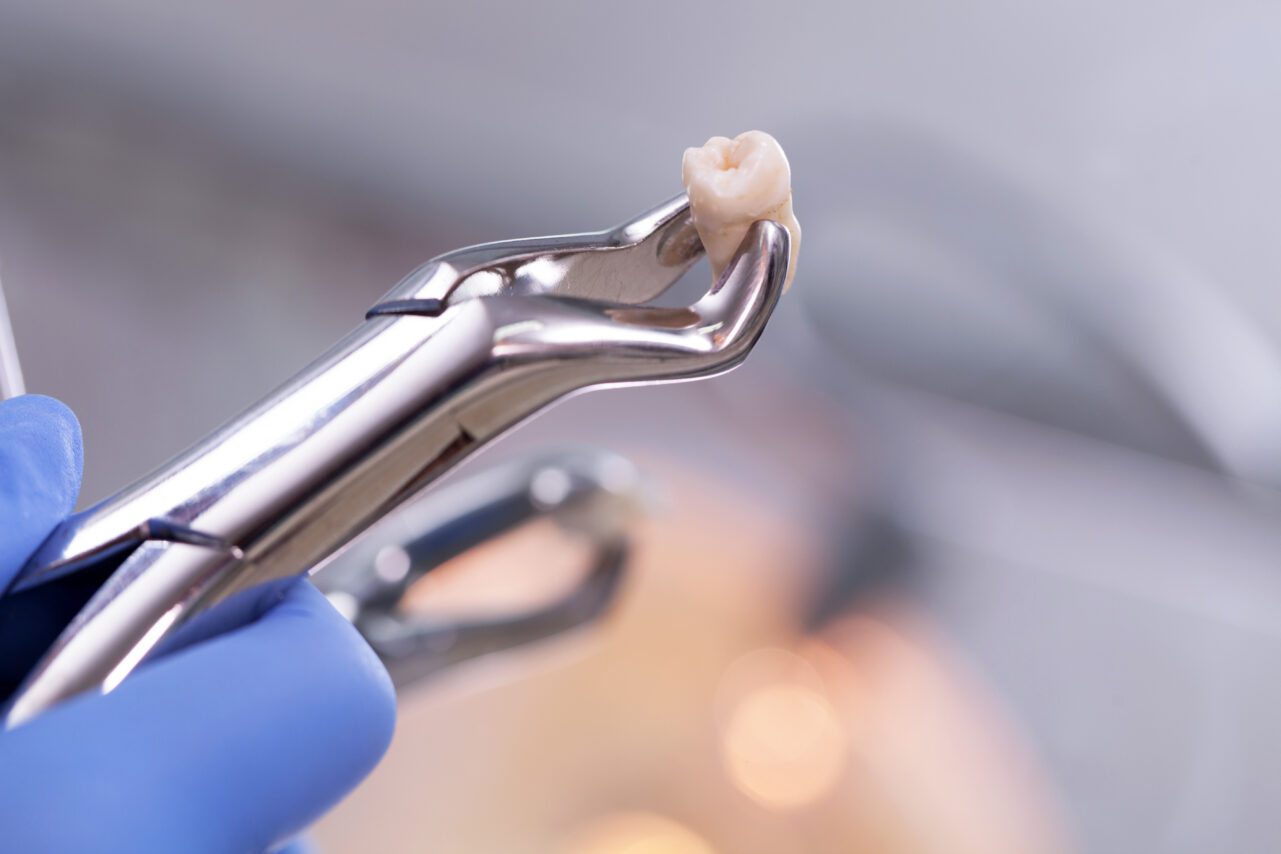
Choosing the wrong foods after a tooth extraction is one of the most common mistakes patients make. Discover exactly what to eat so you stay comfortable during recovery.
Oral Surgery: Gentle Care for Complex Dental Needs
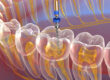
Sometimes a dental problem needs a little more than a filling or a cleaning. Oral surgery covers minor procedures in the mouth, jaw, or face to fix issues that regular dental care cannot resolve on its own.
Who Is It For?
You might benefit from oral surgery if you need:
- Wisdom teeth removed, especially if they are impacted
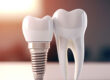
- Dental implants placed to replace missing teeth
- Jaw problems corrected
- Infections treated or tissue biopsies taken
What Are the Benefits?
- Reduced pain and lowered infection risk
- Improved chewing and speech
- A healthier, more confident smile
- Better long-term oral health
How Does It Work?
We start with an exam and imaging to plan your procedure carefully. Think of it like taking a car to a mechanic: we open a small area, fix the problem, close it up, and give you simple steps to keep everything running smoothly.
You receive local or general anesthesia so you stay comfortable throughout. Most patients return to normal activities within a few days to a few weeks.
Your Guide to Eating After a Tooth Extraction
What you eat after a tooth extraction plays a big role in how smoothly your recovery goes. Sticking to the right foods helps protect the healing site and keeps discomfort to a minimum.
Foods to Enjoy
For the first few days, soft and gentle foods are your best friends. We recommend sticking to options like:
- Yogurt and smoothies for easy nutrition
- Mashed potatoes and soft vegetables for something more filling
- Scrambled eggs and oatmeal for gentle, protein-rich meals
- Soup broths that are warm, not hot
Foods to Avoid
Some foods can disturb the clot forming in the tooth extraction site. You should avoid these until you have fully healed:
- Crunchy or hard foods like chips and nuts
- Sticky foods like caramel or chewy candy
- Hot drinks and alcohol
| Recovery Day | Recommended Foods | Foods to Avoid |
|---|---|---|
| Day 1 | Cold smoothies, yogurt, ice cream, cool broth | All solid foods, hot drinks, alcohol |
| Days 2–3 | Mashed potatoes, scrambled eggs, oatmeal, warm broth | Crunchy foods, sticky candy, hard breads |
| Days 4–5 | Soft pasta, cooked vegetables, soft fish, bananas | Chips, nuts, chewy meats, carbonated drinks |
| Days 6–7 | Most soft foods, gradually reintroducing normal diet | Very hard or sticky foods until fully healed |
Most patients can return to their normal diet within a week. If you have questions about your recovery, do not hesitate to reach out to our team for guidance.
Oral Surgery at Barbara Young DDS
At Barbara Young DDS, we offer oral surgery so you can get the care you need in a place you already know and trust. Keeping your treatment under one roof makes the process simpler and more comfortable for you.
Our goal is to make sure you feel supported every step of the way. Whether you need a tooth extraction or another surgical procedure, we are here to guide you through it with care and expertise.
What Patients Are Saying
Patients consistently praise Dr. Barbara Young for her exceptional care, patience, and dedication to dental education. Reviewers highlight her ability to ease anxiety, thoroughly explain procedures, and coach patients on proper dental hygiene.
The entire staff, including receptionist Ellen, receives high marks for friendliness and professionalism. Many note that Dr. Young never makes patients feel rushed or oversold on unnecessary treatments, making her practice a standout choice for even the most nervous dental patients.
One testimonial captures this perfectly, with a patient sharing: “I’ve never had a dentist so thoughtful and give me so much dental advice. I highly recommend them.”
Rating: 5/5 stars | As one satisfied patient put it: “They are thorough with patient care and flexible with scheduling around my time.” Read their full story.
Frequently Asked Questions About Oral Surgery and Tooth Extraction Recovery
What types of dental problems can oral surgery treat at Barbara Young DDS?
At Barbara Young DDS, we use oral surgery to treat problems that regular dental care cannot resolve on its own. This includes removing impacted wisdom teeth, placing dental implants, correcting jaw problems, treating infections, and taking tissue biopsies when needed.
What are the benefits of getting oral surgery done at a trusted dental practice?
Oral surgery can reduce pain, lower your infection risk, improve your chewing and speech, and support better long-term oral health. At Barbara Young DDS, keeping your care under one roof makes the whole process simpler and more comfortable for you.
What soft foods should you eat the first day after a tooth extraction?
On day one, you should stick to cold smoothies, yogurt, ice cream, and cool broth. These options are gentle on the extraction site and help keep you comfortable while the initial healing begins.
How long does it take to return to a normal diet after a tooth extraction?
Most patients can return to their normal diet within about a week. You gradually reintroduce foods as you heal, starting with liquids and soft options, then moving toward a regular diet by days six and seven.
What foods should you avoid after a tooth extraction to protect the healing site?
You should avoid crunchy foods like chips and nuts, sticky foods like caramel, hot drinks, alcohol, and carbonated drinks. These can disturb the clot forming at the extraction site and slow down your recovery. Learn more about how diet affects dental health and what choices support your smile long term.
Schedule Your Oral Surgery Consultation
At Barbara Young DDS, we are committed to making your tooth extraction experience as comfortable and stress-free as possible. Our team supports you every step of the way, from your first consultation through recovery.
If you’re ready to move forward with your tooth extraction, call Barbara Young DDS or schedule online to get started on a smooth, comfortable recovery.